
Why Some Online Banks Pay More Interest Than Big Banks
Why Some Online Banks Pay More Interest Than Big Banks – The global banking landscape has changed dramatically over the last decade. For generations, traditional brick-and-mortar banks dominated the financial system, offering customers a familiar experience built around physical branches, face-to-face service, and long-established brand names. Today, however, a new class of financial institutions—online banks—is reshaping how people save, spend, and manage their money.
One of the most noticeable differences between online banks and traditional banks is interest rates, especially on savings accounts. Many consumers are surprised to discover that online banks often pay significantly higher interest rates than large, well-known banks. In some cases, the difference can be several times higher, which raises an important question: Why do online banks pay more interest than big banks?
Interest rates play a critical role in personal finance. Whether you are saving for an emergency fund, a home down payment, or long-term financial security, the rate your bank pays can directly impact how fast your money grows. Even small differences in interest rates can lead to large differences in returns over time.
This article explores the reasons behind higher interest rates at online banks, how they compare to traditional banks, the benefits and risks involved, and what consumers should consider when choosing between different banking options. By the end, you’ll have a clearer understanding of how online banking works—and whether it might be the right choice for your financial goals.
Understanding Interest Rates
Before comparing online banks and traditional banks, it’s essential to understand how interest rates work and why they play such a critical role in personal finance. Interest rates influence how quickly your savings grow, how well your money keeps up with inflation, and how effective your banking choices are over time. For anyone evaluating high-interest savings accounts or exploring modern online banking options, interest rates are one of the most important factors to consider.
At a basic level, interest rates determine how much your bank rewards you for keeping your money on deposit. However, the way these rates are structured—and how often they change—can significantly affect your overall financial outcomes.
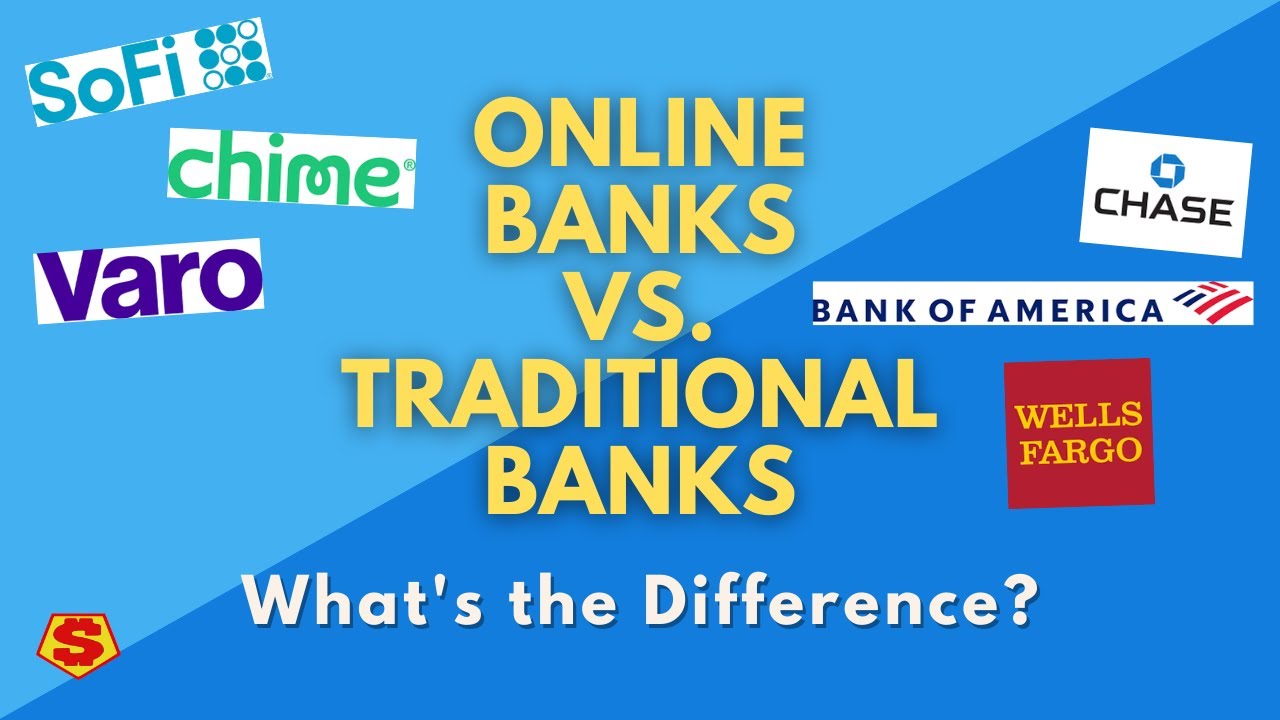
A visual comparison showing how digital banks leverage lower costs and technology to offer higher interest rates on savings accounts.
What Are Interest Rates?
An interest rate is the percentage a bank pays you for allowing it to hold and use your money. When you deposit funds into a savings account, money market account, or similar product, the bank doesn’t simply store that money. Instead, it uses deposits to support lending, investments, and other financial activities. In return, the bank compensates you by paying interest.
For example, if you deposit $10,000 into a savings account offering a 4% annual interest rate, you could earn approximately $400 in interest over one year, assuming the rate remains unchanged and the interest compounds according to the account’s terms. While this may seem modest at first, interest earnings can become substantial over time—especially when higher rates and compounding are involved.
Interest rates directly influence several key areas of personal finance, including:
-
Savings account growth: Higher rates allow balances to increase faster without additional deposits.
-
Emergency fund value: A competitive interest rate helps emergency savings retain purchasing power.
-
Long-term wealth accumulation: Over many years, higher interest rates can dramatically increase total returns.
-
Purchasing power over time: Interest helps offset the effects of inflation, which slowly reduces the value of cash.
When interest rates are low, savings may struggle to keep pace with inflation. When rates are higher, your money works harder for you, even while sitting in a low-risk savings account.
Types of Interest Rates
Not all interest rates function the same way. Understanding the different types of interest rates can help you better compare banking options and avoid confusion when reviewing account offers.
Fixed vs. Variable Interest Rates
Fixed interest rates remain unchanged for a specified period. Once the rate is set, it stays the same regardless of changes in the broader economy or financial markets. Fixed rates are more common in certain lending products and certificates of deposit, where predictability is a priority.
Variable interest rates, on the other hand, can change over time. These rates are influenced by factors such as:
-
Central bank policy decisions
-
Market interest rate movements
-
Inflation trends
-
Overall economic conditions
Most high-interest savings accounts offered by online banks use variable interest rates. This structure allows banks to adjust rates more quickly when market conditions change. When interest rates rise across the economy, online banks can often pass those increases on to customers faster than traditional banks.
While variable rates can decrease during economic downturns, they also provide flexibility and often result in higher average returns over time compared to fixed-rate savings options.
Annual Percentage Yield (APY) vs. Nominal Interest Rates
When comparing savings accounts, it’s important to distinguish between nominal interest rates and Annual Percentage Yield (APY).
The nominal interest rate is the basic stated rate that does not account for compounding. It represents the simple percentage paid on your balance but does not reflect how often interest is added to your account.
Annual Percentage Yield (APY), by contrast, includes the effects of compounding. It shows the true annual return you can expect to earn when interest is calculated and added to your balance regularly—whether daily, monthly, or quarterly.
Because APY provides a more accurate picture of actual earnings, online banks typically advertise APY instead of nominal rates. This transparency makes it easier for consumers to compare high-interest savings accounts and understand which banking options offer better long-term value.
From a consumer perspective, APY is often the most meaningful number to focus on, especially when evaluating online banking products designed to maximize savings growth.
Why Interest Rate Knowledge Matters
Understanding interest rates empowers consumers to make smarter financial decisions. Whether you are choosing between online banking and traditional banks, building an emergency fund, or planning long-term savings goals, knowing how interest rates work helps you avoid low-yield accounts and identify opportunities to earn more from your cash.
As online banks continue to compete aggressively in the high-interest savings space, interest rates remain one of the clearest indicators of value—making this knowledge essential for anyone exploring modern banking options.
The Rise of Online Banks
Over the past decade, the banking industry has undergone a major transformation. Advances in financial technology, changing consumer expectations, and widespread access to smartphones have paved the way for a new generation of financial institutions known as online banks. These banks operate without traditional branch networks and instead rely on digital platforms to deliver banking services more efficiently and, in many cases, more profitably for customers.
As consumers increasingly prioritize convenience, speed, and competitive interest rates, online banks have moved from niche alternatives to mainstream banking options. Their rapid growth reflects a broader shift in how people interact with money in an increasingly digital world.
What Are Online Banks?
Online banks—often referred to as digital banks, internet banks, or neobanks—are financial institutions that operate primarily, and sometimes entirely, online. Unlike traditional banks, they do not depend on physical branch locations. Instead, customers access their accounts through secure websites and mobile applications.
Most online banks offer core banking services such as:
-
Savings and checking accounts
-
High-interest savings accounts
-
Mobile deposits
-
Electronic transfers
-
Debit cards and digital payments
Because these banks are built on modern financial technology, they rely heavily on automation, cloud computing, and digital infrastructure to manage accounts, process transactions, and support customers.
Key Characteristics of Online Banks
Online banks share several defining features that distinguish them from traditional banks:
-
No physical branch network: Services are delivered entirely through digital channels.
-
Mobile-first user experience: Banking apps are designed for smartphones and tablets.
-
Lower operating costs: Minimal spending on real estate and branch staff.
-
Competitive interest rates: Savings passed on to customers in the form of higher APY.
-
Digital customer support: Assistance via chat, email, or phone instead of in-person visits.
This technology-driven approach allows online banks to operate more efficiently while offering modern tools that align with how consumers manage their finances today.
Comparison With Traditional Brick-and-Mortar Banks
Understanding the rise of online banks becomes clearer when compared directly to traditional brick-and-mortar banks.
Traditional Banks
Traditional banks typically:
-
Maintain thousands of physical branches
-
Employ large numbers of in-branch staff
-
Spend heavily on rent, utilities, security, and maintenance
-
Operate on legacy banking systems
-
Often offer lower interest rates on savings accounts
These institutions were built around face-to-face banking experiences, which remain valuable for certain services but come with high operational costs.
Online Banks
Online banks, by contrast:
-
Operate without physical branches
-
Rely on centralized digital operations
-
Use automated systems to handle routine transactions
-
Spend less on overhead and infrastructure
-
Frequently offer higher savings interest rates
Because online banks avoid many of the expenses associated with physical locations, they can reallocate resources toward customer benefits such as better interest rates, lower fees, and enhanced digital features.
This structural efficiency is one of the primary reasons online banks are often able to outperform traditional banks when it comes to savings account yields.
Why Online Banks Are Gaining Popularity
The rapid adoption of online banking is driven by a combination of technological progress and changing consumer preferences.
Convenience and Accessibility
One of the biggest advantages of online banks is 24/7 account access. Customers can:
-
Check balances at any time
-
Transfer funds instantly
-
Pay bills online
-
Monitor transactions in real time
This level of accessibility is particularly appealing to individuals who value flexibility and want to manage their finances on their own schedule.
Faster Account Opening and Onboarding
Online banks typically offer a streamlined account opening process that can be completed in minutes. Unlike traditional banks, which may require in-person visits and paperwork, online banks use digital verification tools to get customers up and running quickly.
This efficiency is especially attractive to consumers seeking fast access to high-interest savings accounts.
Advanced Mobile Banking Features
Most online banks invest heavily in their mobile apps, offering features such as:
-
Mobile check deposits
-
Spending insights and budgeting tools
-
Instant alerts and notifications
-
Integration with digital wallets
These tools enhance the overall banking experience and make financial management more intuitive.
Competitive Interest Rates
Perhaps the most compelling reason for the rise of online banks is their ability to offer competitive savings rates. With higher APY on savings accounts, online banks appeal to consumers who want their money to grow faster without taking on additional risk.
Changing Consumer Preferences
Younger and tech-savvy consumers are increasingly comfortable with digital-only services. For many, the convenience of online banking outweighs the need for in-person assistance. As trust in digital financial platforms continues to grow, online banks are becoming a preferred choice across multiple age groups.
The Role of Financial Technology
At the heart of online banking is financial technology, or fintech. By leveraging modern systems, online banks can:
-
Process transactions more efficiently
-
Analyze customer behavior to improve services
-
Respond quickly to market changes
-
Scale operations without significant cost increases
This technological foundation allows online banks to remain agile and competitive in a rapidly evolving financial landscape.
Why This Trend Matters for Savers
The rise of online banks has reshaped the savings market. Increased competition has pushed interest rates higher and forced traditional banks to rethink their offerings. For consumers, this shift means more options, greater transparency, and better opportunities to earn more from their savings.
As online banking continues to expand, understanding how these institutions operate—and why they can offer better rates—becomes increasingly important when evaluating modern banking options.
Factors Influencing Higher Interest Rates in Online Banks
One of the most common questions consumers ask is why online banks consistently offer higher interest rates than traditional brick-and-mortar banks. While the difference may seem surprising at first, it becomes much clearer when examining how online banks are structured, how they operate, and how competition shapes their business models. Two major factors explain this trend: lower operating costs and a highly competitive market environment.
Together, these forces allow online banks to reward customers with more attractive interest rates, particularly on high-interest savings accounts.
Lower Operating Costs
One of the most significant reasons online banks can pay higher interest rates is their ability to operate with substantially lower expenses. Traditional banks rely on extensive physical infrastructure, which requires ongoing investment and maintenance. Online banks, by contrast, are designed from the ground up to function digitally, eliminating many of these costs entirely.
Cost Structure of Traditional Banks
Traditional banks must allocate large portions of their budgets to expenses such as:
-
Rent and property maintenance: Thousands of branch locations across cities and towns
-
Utilities and security: Electricity, internet, security systems, and on-site personnel
-
Large in-branch staff: Tellers, managers, and support staff at each location
-
Physical infrastructure: ATMs, vaults, office equipment, and maintenance services
These costs remain fixed regardless of how frequently customers visit branches. As a result, traditional banks often have less flexibility when it comes to offering competitive interest rates on savings accounts.
How Online Banks Reduce Expenses
Online banks avoid many of these financial burdens by operating entirely—or almost entirely—online. Without the need for physical branches, they can focus resources on technology and customer-facing features rather than real estate and staffing.
This digital-first approach significantly reduces overhead and improves operational efficiency.
Examples of Cost-Cutting Measures
Online banks implement a variety of cost-saving strategies that enable them to redirect funds toward customer benefits, including higher interest rates.
Cloud-Based Infrastructure
Instead of maintaining physical servers and data centers, many online banks use cloud-based systems. These platforms:
-
Scale efficiently with demand
-
Reduce hardware and maintenance costs
-
Improve system reliability and security
Cloud infrastructure allows online banks to operate with lower capital expenditures while maintaining high performance.
Automated Customer Service Tools
Automation plays a major role in reducing staffing costs. Online banks frequently use:
-
AI-powered chat systems
-
Self-service account management tools
-
Automated transaction processing
While human support remains available, automation handles many routine tasks, allowing fewer employees to support more customers.
Centralized Operations
Online banks typically operate from centralized locations rather than hundreds or thousands of branches. This structure:
-
Simplifies management
-
Reduces administrative overhead
-
Improves consistency in service delivery
Fewer Employees Per Customer
Because many banking functions are automated, online banks can serve a large customer base with fewer employees per account. This efficiency lowers labor costs and contributes directly to better interest rates for customers.
How Cost Savings Translate Into Higher Interest Rates
The savings generated from these operational efficiencies are not merely retained as profit. In many cases, online banks reinvest those savings into:
-
Higher APY on savings accounts
-
Reduced account maintenance fees
-
Enhanced digital banking features
For consumers, this means a greater share of the bank’s revenue is passed back in the form of tangible financial benefits.
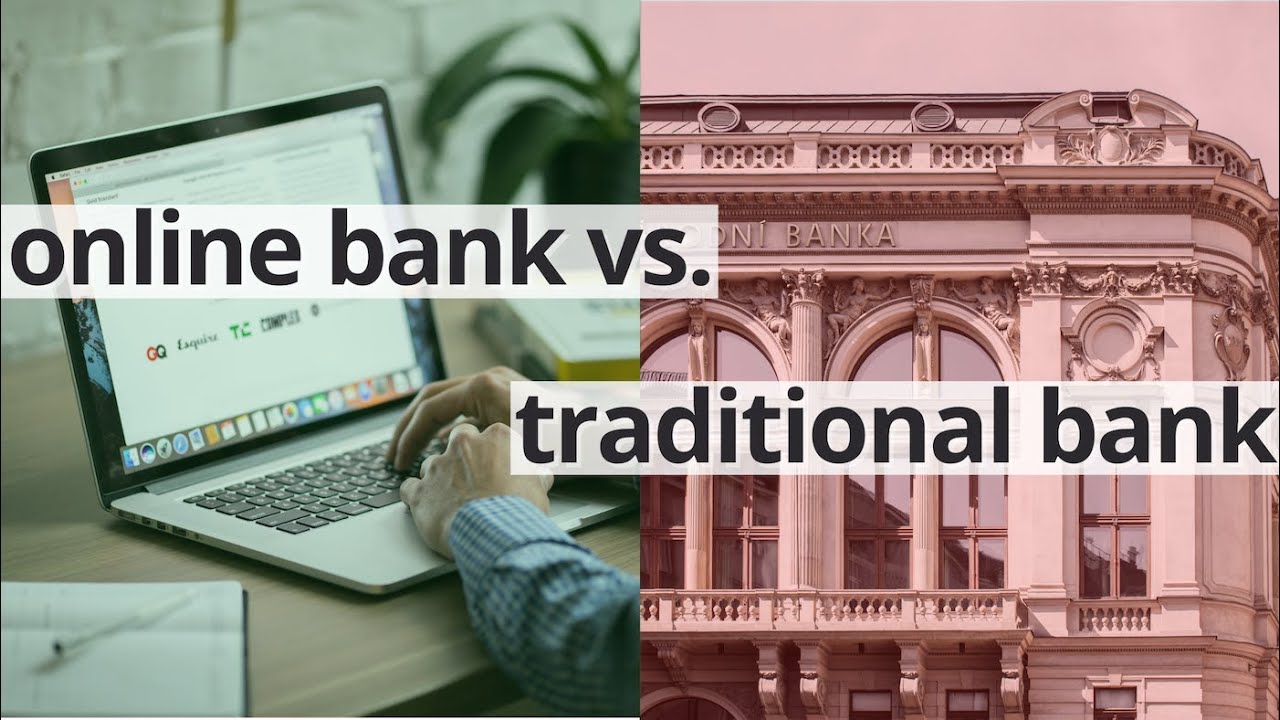
A visual comparison showing how digital banks leverage lower costs and technology to offer higher interest rates on savings accounts.
Competitive Market Landscape
Beyond lower operating costs, competition plays a critical role in driving higher interest rates among online banks. The digital banking space is crowded and fast-moving, with new entrants regularly introducing innovative products and features.
Unlike traditional banks, which often compete regionally, online banks operate in a national or even global market. This expanded reach intensifies competition and pushes banks to offer better terms to attract and retain customers.
How Competition Drives Higher Rates
Several competitive dynamics influence interest rate offerings in online banking:
National Competition
Online banks compete across entire countries rather than within local markets. This means customers can choose from dozens of banking options regardless of where they live.
Easy Rate Comparisons
Consumers can compare savings account rates online within seconds. Financial comparison websites, blogs, and review platforms make it easy to identify which banks offer the most competitive APY.
This transparency forces online banks to remain competitive or risk losing customers.
Rapid Response to Market Changes
Because online banks rely on flexible digital systems, they can adjust interest rates quickly in response to:
-
Central bank decisions
-
Economic shifts
-
Competitor pricing changes
This agility allows them to offer higher rates when market conditions are favorable.
Read More: Side Hustles You Can Scale Into Full-Time Business
Positioning as High-Interest Savings Specialists
To stand out in a crowded market, many online banks brand themselves as specialists in high-interest savings accounts. Instead of offering a wide range of complex financial products, they focus on delivering:
-
Competitive rates
-
Simple account structures
-
Clear, transparent terms
This focused approach appeals to consumers who prioritize savings growth and rate optimization.
Marketing Strategies Used by Online Banks
Online banks rely on targeted marketing strategies to communicate their value proposition and attract new customers.
Prominent Advertising of APY
Interest rates and APY are often highlighted in advertisements, landing pages, and comparison tools. Clear communication of rates helps consumers quickly understand potential benefits.
Limited-Time Promotional Rates
Some banks introduce promotional interest rates to encourage new account openings. These offers create urgency while remaining compliant with financial advertising standards.
Referral Programs
Referral incentives encourage existing customers to recommend the bank to friends and family, helping institutions grow their customer base organically.
Affiliate Partnerships
Online banks frequently collaborate with financial bloggers, comparison sites, and review platforms. These partnerships help reach rate-conscious consumers, particularly in Tier-1 markets such as the United States, Canada, the United Kingdom, and Australia.
Why This Matters for Consumers
The combination of low operating costs and intense competition explains why online banks consistently offer higher interest rates than traditional banks. For consumers, this competitive environment results in:
-
Better savings returns
-
More transparent banking options
-
Greater choice and flexibility
As the online banking sector continues to evolve, interest rates are likely to remain a key differentiator—making it essential for savers to understand the forces shaping these offers before choosing where to keep their money.
Benefits of Online Banks Over Traditional Banks
Higher Interest Rates
One of the most compelling advantages of online banks is higher interest rates on savings accounts.
While traditional banks may offer interest rates below 1%, online banks often offer rates several times higher, depending on market conditions.
Implications for Savers
Higher interest rates can:
-
Increase emergency fund growth
-
Reduce the impact of inflation
-
Improve long-term savings outcomes
-
Reward idle cash more effectively
Over time, even a small difference in APY can result in thousands of dollars in additional earnings.
Better Customer Experience
Online banks invest heavily in user experience.
User-Friendly Interfaces
-
Clean mobile app design
-
Easy navigation
-
Real-time notifications
-
Budgeting tools
Many consumers find online banking apps easier to use than traditional bank websites.
Customer Service Comparisons
Online banks typically offer:
-
Live chat
-
Email support
-
Phone support
-
Extended service hours
While they lack in-person service, many users report faster resolution times for common issues.
Risks and Considerations
Security Concerns
Security is a common concern for people considering online banks.
Security Measures Used by Online Banks
-
Encryption technology
-
Multi-factor authentication
-
Biometric login options
-
Continuous fraud monitoring
In many cases, online banks use the same—or stronger—security standards as traditional banks.
Consumer Trust and Technology
Trust depends on:
-
Regulatory compliance
-
Deposit protection programs
-
Transparency
-
Track record
Consumers should always verify whether a bank is covered by deposit insurance programs in their country.
Lack of Physical Branches
Pros
-
Lower fees
-
Better rates
-
Faster digital transactions
Cons
-
No in-person assistance
-
Cash deposits may be limited
-
Complex issues handled remotely
Situations where a physical branch might be useful include large cash transactions, notarized documents, or specialized financial services.
Case Studies: Switching From Traditional Banks to Online Banks
Case Study 1: Emergency Fund Growth
A customer moved their emergency fund from a traditional savings account earning minimal interest to a high-interest online savings account. Over two years, the difference in interest earned was substantial, demonstrating how rate differences compound over time.
Case Study 2: Simplified Banking Experience
Another customer cited convenience as the main reason for switching. With mobile check deposits and real-time alerts, they reported spending less time managing finances while earning higher interest.
Frequently Asked Questions
Are Online Banks Safe?
Online banks generally follow the same regulatory standards as traditional banks. Consumers should confirm deposit protection coverage and review security features before opening an account.
How Do I Choose the Right Online Bank?
Consider:
-
Interest rates
-
Fees
-
Mobile app quality
-
Customer support
-
Deposit insurance coverage
Comparing multiple banking options helps ensure the best fit for your needs.
What Should I Be Aware of Regarding Fees?
Some online banks charge:
-
Excess transaction fees
-
International transfer fees
-
Withdrawal limits
Always review the fee schedule carefully.
Conclusion
Online banks often pay higher interest rates than big banks because they operate with lower costs, compete aggressively for customers, and leverage modern financial technology. For many consumers, especially those focused on savings growth, online banking can offer significant advantages.
However, the right banking choice depends on individual preferences, financial goals, and comfort with digital platforms. Traditional banks still offer benefits such as physical branches and in-person services, which may be important for some users.
By understanding how interest rates work and comparing different banking options, consumers can make informed decisions that align with their financial priorities.
Leave a Reply